
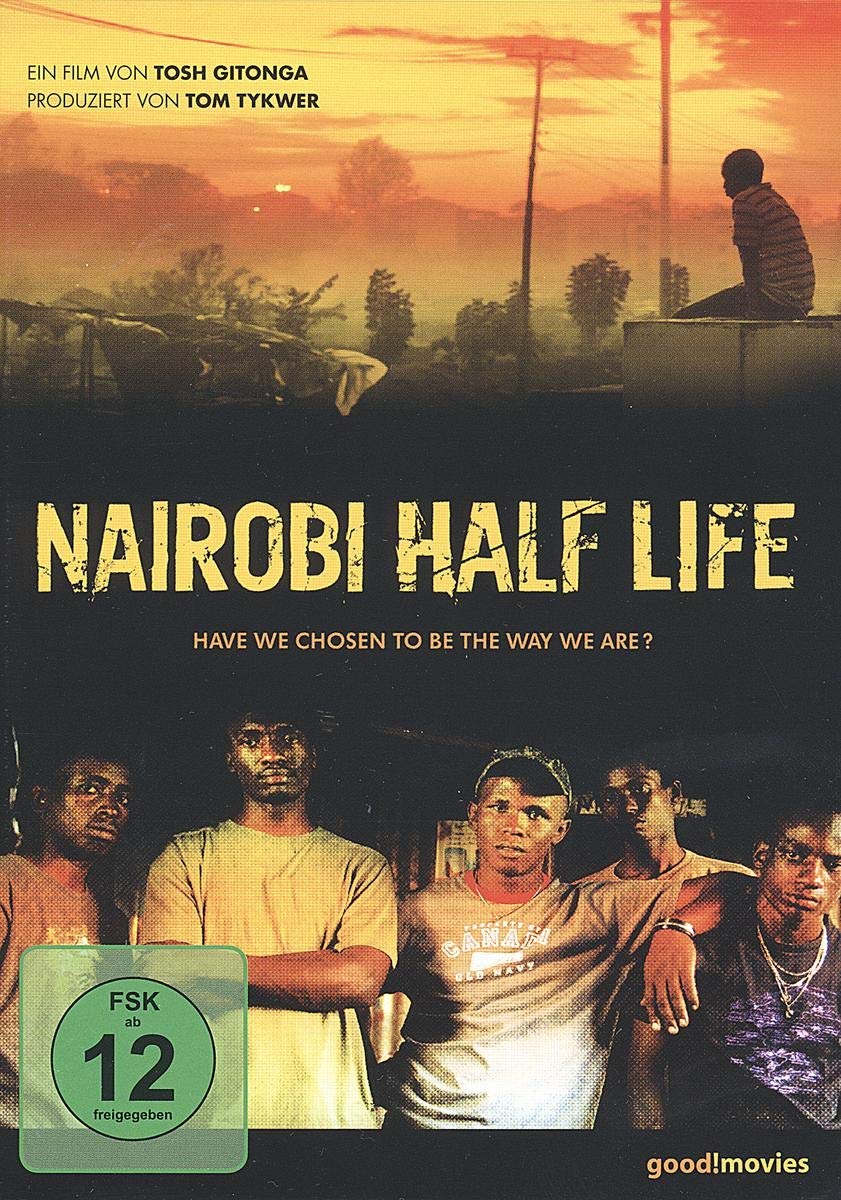
Nairobi Half Life: Crime, Dreams and the Quest For Meaningful Existence in a City Explored
Nairobi Half Life is a captivating and beautifully crafted story showcasing Africa’s incredible talent.
Set in lively and contemporary Nairobi and released in 2012, it sets itself apart as a unique and thought-provoking piece. Though not based on a true story or adaptation, it nonetheless presents an extremely authentic depiction of life in the city and immerses the audience in its world. The gripping plot is enhanced by the directorial skills of Tosh Gitonga Disconnect (2018) and Volume (2023) and is brilliantly balanced by the supervision of revered filmmaker Tom Tykwer, famous for his legendary movie Run Lola Run 2018. Together, they produce a cinematic experience that mesmerizes and remains in the hearts and minds of the viewers.
The film has its roots in a collaborative creative workshop that was organized by the trio of One Fine Day Films, DW-Akademie, and Ginger Ink Films. This workshop was part of a larger training initiative that aimed at nurturing aspiring filmmakers and storytellers in Kenya. Participants in this creative environment had the opportunity to hone their skills and share their artistic visions, ultimately leading to the development of this compelling film.

The narrative of the film, though simple, still manages to captivate the audience with its gripping storyline. It centers around Mwas), a character brought to life by the talented Joseph Wairimu Sense8 (2015), Kidnapped (2017), who is a young man hailing from a rural background. Mwas finds himself engaged in the somewhat dubious business of selling pirated DVDs, while still harboring a deep-seated dream of becoming a successful actor. This aspiration drives him to develop an impressive ability to recite lines from various films, showcasing his passion and dedication to the craft. Fueled by his dreams, Mwas makes the bold decision to leave his familiar countryside life behind and embark on a journey to Nairobi, a bustling metropolis that promises new opportunities. However, upon arriving in the city, he quickly discovers that life in Nairobi is vastly different from the uncomplicated existence he previously knew, filled with challenges and complexities that test his resolve and determination to succeed in the competitive world of acting.
Mwas quickly falls in with a local gang led by the naive Oti (the late Olwenya Maina) in Nairobi. Starting off with car part thefts, their crimes swiftly escalate to full-scale carjackings. Concurrently, Mwas is rehearsing for a theatrical play which he had landed a role in, leading him to living a dual life—one as a budding actor and another as a criminal. His internal struggle intensifies, leaving him conflicted between two different worlds. He also finds himself developing feelings for Amina (played by Nancy Wanjiku Karanja), a sex worker who is also Oti’s love interest.

As Mwas becomes more involved in crime, he ignores the caution his mother gave him when he was leaving for Nairobi: “That city is a dwelling place for poverty, sickness, and the devil.” Ironically, he gets a role in a theater play about robbers who steal from the affluent, not for their own benefit but to convey a message. This similarity enhances the complexity of his character’s evolution.
As Mwas navigates the treacherous waters of his dual existence, he becomes increasingly aware of the moral dilemmas that accompany his choices. The allure of quick money and the thrill of the criminal lifestyle clash with his aspirations of becoming a respected actor. This internal conflict is poignantly illustrated through his interactions with Amina, who represents both a source of comfort and a reminder of the harsh realities of their environment. Their relationship deepens as they share their dreams and fears, creating a bond that highlights the human capacity for hope even in the darkest of circumstances. Mwas’s journey is not just about survival; it is a quest for identity and purpose in a world that often seems devoid of both.
Mwas’s journey is further complicated by the harsh realities of the streets, where loyalty is fleeting and betrayal lurks around every corner. As he becomes more entrenched in the gang’s activities, he grapples with the consequences of his choices, which not only threaten his dreams but also endanger the lives of those he cares about. The film poignantly captures the struggle between ambition and survival, illustrating how the environment can shape one’s destiny. Mwas’s character serves as a powerful reminder of the sacrifices made in pursuit of dreams, and the lengths one will go to in order to escape the cycle of poverty and despair that often defines life in Nairobi.

Mwas’s internal struggle and desire for redemption highlight the film’s exploration of identity and the quest for a meaningful existence. As he grapples with the consequences of his choices, Mwas is forced to confront the stark reality that the life he yearns for may come at a steep price. The encounter with Dingo catalyzes Mwas’s transformation, pushing him deeper into the criminal underworld while simultaneously igniting a flicker of hope that he might still reclaim his dreams. This duality of aspiration and despair is a recurring theme throughout Nairobi Half Life, making Mwas’s journey not just a tale of survival, but a profound commentary on the human spirit’s resilience in the face of adversity.
The film’s cinematography further enhances the storytelling, with vibrant visuals that capture the essence of Nairobi’s streets, juxtaposing the city’s beauty with its underlying struggles. The use of natural light and dynamic camera angles immerses the audience in Mwas’s world, making them feel the pulse of the city as he navigates through its challenges. Each scene is meticulously crafted to reflect the raw emotions of the characters, allowing viewers to experience their joys and sorrows intimately. This visual storytelling complements the narrative, making Nairobi Half Life not just a film, but a poignant exploration of life, dreams, and the harsh realities that often accompany them.
It’s difficult to find any major flaws in Nairobi Half Life. You find yourself rooting for Mwas, despite his descent into a life of crime. His relationship with Amina is the only light in his otherwise dark and dangerous world. The film skillfully wraps you in a range of emotions as you follow Mwas’ character arc.
However, the Film still does have its fault, especially in character development. While it boasts of some colourful characters like Mwa’s drunk Dad and soulful ones like his gang member friend who wants to become a Singer, we still cannot help finding some fault with Mwa’s character development arc. While we see dynamism in his character as he descends into a crime-ridden life because life seems determined to push him in that direction, we still cannot help feeling that he falls into that life too easily. He only seems to need a nudge in that direction and he starts excelling at it. This is exemplified by the way he uses his acting skills to evade the police while pushing a cart laden with stolen vehicle parts and how he easily becomes the ‘brains’ and Negotiator-in-Chief of the sale price of stolen goods for his gang. As we say in Africa, ‘Thievery seems to reside in his blood’ This makes one find it hard to empathise with Mwas towards the end
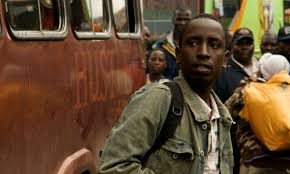
The film’s impact extends beyond its narrative and technical achievements; it serves as a cultural touchstone that reflects the socio-economic challenges faced by many in urban Africa. By portraying the struggles of its characters with authenticity and empathy, Nairobi Half Life invites viewers to confront the realities of life in a city where dreams often collide with harsh truths. The film not only entertains but also sparks important conversations about crime, ambition, and the pursuit of a better life, making it a significant contribution to the canon of African cinema.
Despite being over a decade old, Nairobi Half Life remains an engaging and emotional experience. It was Kenya’s official entry for the 85th Academy Awards in 2013, though it did not make the shortlist. However, it won several awards, including one at the 2014 Africa Magic Viewer’s Choice Awards.






Leave a Reply